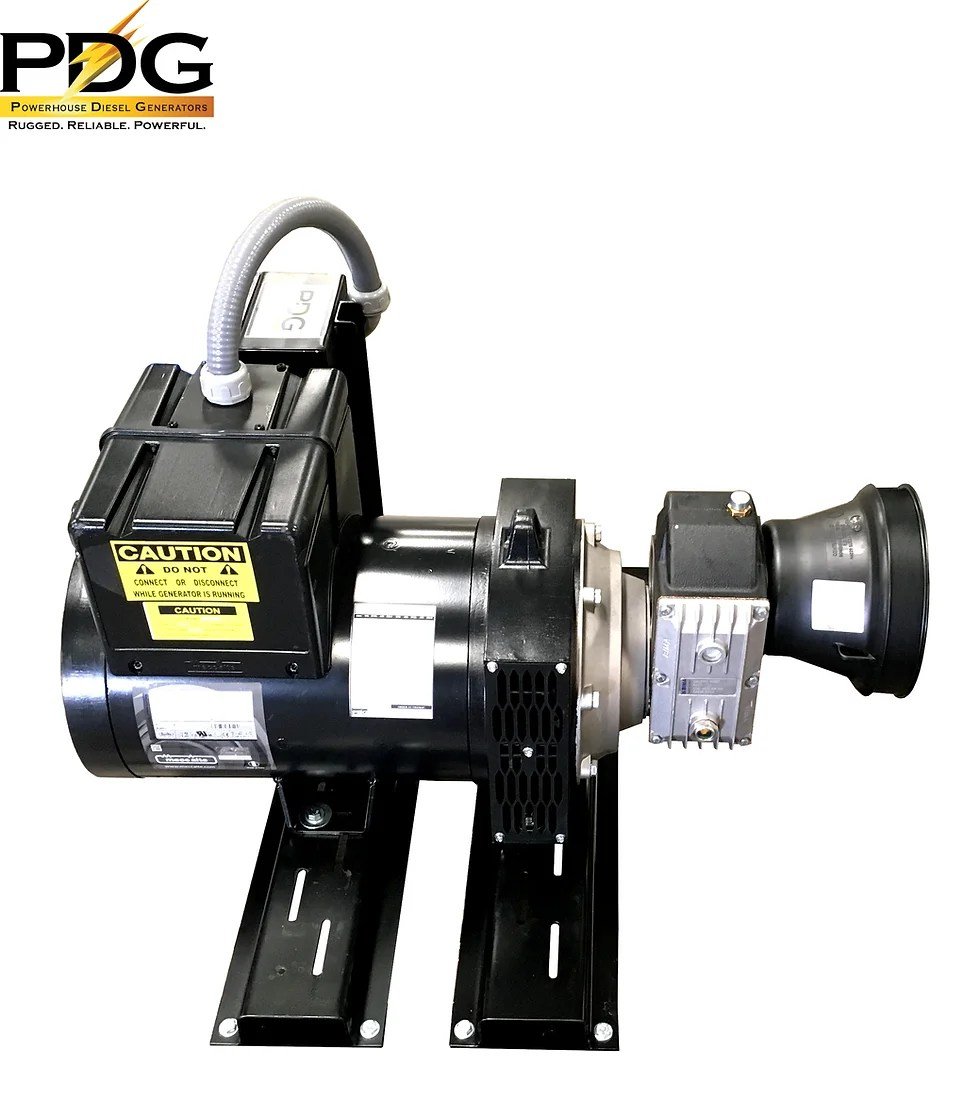
In a world increasingly reliant on mobile, on-demand power, understanding the Key Applications & Benefits of PTO Generators has become essential for a wide range of industries. Whether you're battling a power outage at home, running critical equipment on a remote job site, or powering the next generation of electrified farm machinery, these robust devices offer a compelling solution by transforming existing mechanical power into reliable electricity. They bridge the gap between heavy machinery and the digital demands of modern operations, proving that innovation often lies in clever integration.
At a Glance: Why PTO Generators are a Game-Changer
- Converts Existing Power: Leverages your vehicle's (like a tractor or truck) engine to generate electricity, eliminating the need for a separate engine and fuel tank.
- Highly Mobile: Easily attached and detached, offering versatile power wherever your vehicle can go.
- Cost-Effective: Utilizes the vehicle's fuel, reducing initial investment and ongoing operational costs compared to dedicated generator sets.
- Reliable Backup: Provides essential power during emergencies, ensuring critical systems stay online.
- Powers Modern Tech: Increasingly vital for the sophisticated electrical needs of autonomous farming equipment, robotics, and precision agriculture.
- Durable & Low Maintenance: Built to withstand demanding environments, often requiring less upkeep than traditional generators.
- Sustainable Choice: Can contribute to a reduced carbon footprint by optimizing existing power sources.
From Mechanical Muscle to Electrical Current: The PTO Generator Explained
Imagine having a powerful, mobile electrical outlet that can go anywhere your heavy machinery can. That's essentially what a Power Take-Off (PTO) generator delivers. Historically, the PTO shaft on a tractor or other industrial vehicle was all about mechanical grunt—spinning mowers, balers, and tillers. It was brute force for mechanical tasks.
But today's world demands more than just mechanical power; it demands clean, stable, high-quality electricity. A PTO generator ingeniously taps into that existing mechanical power, converting the rotational energy from the PTO shaft into usable AC electricity. This simple yet profound conversion unlocks a universe of possibilities, making your tractor, truck, or even some industrial vehicles into a rolling power station. Learn about PTO driven generators and how they are transforming operations across sectors.
This isn't just about convenience; it's about a fundamental shift. Instead of relying on dedicated, engine-driven generators that require their own fuel, maintenance, and space, PTO generators utilize the robust engine already powering your vehicle. This synergy offers a more integrated, efficient, and often more powerful mobile electricity solution.
Powering the Future: Key Applications of PTO Generators
The versatility of PTO generators means they show up in surprisingly diverse places, from the quiet hum of a dairy farm to the noisy bustle of a construction site. Their ability to deliver reliable power in off-grid or remote scenarios makes them indispensable.
Revolutionizing Modern Agriculture: The Electrified Farm
The agricultural landscape is undergoing a profound transformation. Tractors are no longer just mechanical beasts; they're becoming sophisticated data centers on wheels, powering precision robotics, advanced sensors, and autonomous implements. This shift, driven by the need for greater efficiency and sustainability, heavily relies on stable, high-quality electrical power—and PTO generators are leading the charge.
- Electrified Implements: Modern farm implements like electric row units, robotic spot sprayers, and precision seeders demand variable, demand-responsive power for microcontrollers, pumps, cameras, lidar, actuator control, and processing boards. PTO generators, equipped with smart power electronics, supply this dynamic energy with remarkable efficiency, allowing implements to be lighter, simpler, and more modular than if they carried heavy, expensive batteries.
- Autonomous Operations: The move towards autonomous weeders and other self-driving farm equipment requires consistent, high-quality power for navigation systems, AI processing, and electric motors. PTO generators act as the primary mobile electrical power bus, turning every tractor into a rolling, intelligent energy hub.
- Irrigation and Grain Drying: Beyond the cutting-edge, PTO generators provide crucial power for essential farm tasks. They can power electric irrigation pumps in remote fields where grid power is unavailable or unreliable, ensuring crops get the water they need. During harvest, they can run grain dryers, preventing spoilage and preserving yields, a critical application where downtime can lead to significant financial loss.
- Livestock Operations: From powering milking parlors during an outage to running ventilation systems or electric feeders, PTO generators ensure continuity for livestock management, safeguarding animal welfare and productivity.
Essential Backup & Emergency Power
When the grid goes down, life doesn't stop. PTO generators are a lifeline for homes, farms, and businesses during power outages, natural disasters, or unexpected grid failures.
- Rural Resilience: For rural homeowners and farms often at the end of long power lines, outages can be frequent and prolonged. A PTO generator connected to a tractor or truck can quickly restore power to critical systems like well pumps, refrigerators, freezers, and heating/cooling systems, maintaining comfort and preventing costly losses.
- Disaster Preparedness: In the wake of storms, floods, or other emergencies, PTO generators provide mobile power for relief efforts, powering communication equipment, medical devices, temporary shelters, and emergency lighting, demonstrating their vital role in community resilience.
Powering Construction and Industrial Sites
Construction sites are often remote, temporary, and lack immediate access to grid power. Industrial operations, too, frequently require flexible power solutions for specific tasks or in areas not fully wired.
- Remote Site Operations: PTO generators supply power for essential construction tools and equipment—saws, drills, welders, air compressors, and site lighting—where grid access is either impossible or cost-prohibitive. Their rugged design and ability to use existing vehicle fuel make them ideal for these demanding environments.
- Mobile Workshops: Many service vehicles are essentially mobile workshops. A PTO generator allows them to power onboard tools, charging stations, and diagnostic equipment directly from the vehicle's engine, making roadside repairs or on-site maintenance efficient and independent of external power sources.
- Temporary Power Needs: For events, temporary facilities, or even just adding extra circuits during peak demand, PTO generators offer a quick and adaptable solution, avoiding the complexities and costs of temporary grid connections.
Beyond the Farm and Factory: Other Notable Applications
The principle of converting vehicle PTO into electricity extends to several other niche but critical areas.
- Defense & Field Operations: Military and humanitarian operations often require reliable power in austere, off-grid environments. PTO generators can power field hospitals, communication hubs, command centers, and maintenance operations directly from existing tactical vehicles, simplifying logistics.
- Marine Systems: While less common than land-based applications, some specialized marine vessels can utilize PTO systems from their main engines to power onboard electrical systems, lighting, or specific equipment, especially on workboats or research vessels.
The Unbeatable Edge: Key Benefits of PTO Generators
Understanding where PTO generators are used is only half the story. Their growing adoption stems from a compelling list of benefits that directly address modern operational challenges.
Significant Cost-Effectiveness
One of the most immediate advantages of a PTO generator is its ability to leverage existing resources.
- No Dedicated Engine, No Extra Fuel Tank: Unlike traditional generators that come with their own engine and fuel system, a PTO generator simply plugs into your tractor or truck. This means you're not buying, maintaining, or fueling a separate engine. The vehicle's existing diesel or gasoline powers the generator, streamlining operations and reducing capital expenditure.
- Lower Maintenance Costs: Fewer moving parts dedicated solely to power generation translate to simpler maintenance schedules and lower long-term repair costs. You're primarily maintaining your vehicle's engine, which you would do anyway.
- Enhanced Resource Utilization: Maximizing the utility of your existing vehicle fleet—turning a tractor into a generator when not in use for field work—improves your return on investment for that machinery.
Superior Efficiency and Performance
Modern PTO generators are designed for optimal performance, especially in the context of advanced electrification.
- Improved Operating Efficiency per Acre: In agriculture, particularly, PTO generators enhance the efficiency of electrified implements. By providing stable and demand-responsive power, they ensure that microcontrollers, electric motors, and sensors operate at their peak, leading to more precise application, faster operation, and ultimately, higher yields per acre.
- Optimized Controller Logic Responsiveness: The steady, high-quality power supply from PTO generators means that the sophisticated electronic controls and processing boards on modern implements receive consistent voltage and current, leading to quicker response times and more accurate operation of robotic and automated functions.
- Peak Load Handling & Runtime Stability: PTO generators can draw significant power from a vehicle's robust engine, allowing them to handle substantial peak loads without faltering. This stability is critical for sensitive electronics and machinery that might experience sudden power demands, ensuring uninterrupted operation for extended periods.
- Lower Energy Cost per Field Hour: By converting the tractor's diesel efficiently into electricity for the implement, PTO generators optimize fuel consumption for electrical output, often resulting in a lower overall energy cost per hour of field operation compared to hybrid battery-electric systems that require charging infrastructure.
Reliability & Versatility for Any Situation
The core strength of PTO generators lies in their dependable performance across a multitude of scenarios.
- Robust Backup Power: When grid failures hit, these generators stand ready. Their direct connection to a powerful vehicle engine makes them exceptionally reliable for emergency backup, ensuring essential services remain operational.
- Go-Anywhere Power: If your tractor or utility truck can reach it, a PTO generator can power it. This mobility makes them invaluable for remote job sites, isolated cabins, field irrigation, or any location where fixed power infrastructure is absent.
- Diverse Application Support: As highlighted in the applications section, their adaptability extends from basic lighting and power tools to powering advanced agricultural robotics and specialized industrial equipment, showcasing their broad utility.
Portability & Environmental Advantages
Beyond raw power, PTO generators offer benefits that align with modern demands for mobility and sustainability.
- Effortless Portability: These units are designed for easy attachment and detachment. When not in use, they can be stored away, freeing up your vehicle for other tasks. This 'on-demand' nature makes them incredibly flexible.
- Reduced Carbon Footprint: By eliminating the need for a separate engine and fuel tank for power generation, PTO systems consolidate power sources. This can lead to more efficient fuel use overall and a reduction in the manufacturing footprint associated with producing multiple engines, contributing to a lower carbon footprint when considering the lifecycle of power generation. They represent a step towards advanced farm electrification strategies that prioritize efficiency.
- Cleaner Emissions (Potentially): While still using fossil fuels (from the vehicle), centralizing power generation through a single, well-maintained vehicle engine can sometimes be more efficient and have better emission controls than multiple smaller, less-regulated engines found on portable generators.
Durability & Low Maintenance
Designed for demanding agricultural and industrial environments, PTO generators are built to last and engineered for simplicity.
- Rugged Construction: These units are typically housed in robust frames, capable of withstanding dust, dirt, vibrations, and harsh weather conditions common on farms and construction sites.
- Fewer Failure Points: Without their own internal combustion engine, there are fewer complex components that can break down. The primary maintenance focus remains on the generator head itself and the PTO connection, which are generally very durable.
- Simplified Servicing: Maintenance often boils down to checking connections, ensuring proper lubrication, and inspecting for wear—tasks that are straightforward and can often be integrated into existing vehicle maintenance routines.
The Agricultural Revolution: PTO Generators as the Electrification Bridge
The shift in agriculture is profound. Gone are the days when a tractor's only job was to mechanically pull and push. Today, agriculture is rapidly embracing autonomy, precision robotics, advanced sensor-based controls, and implement electrification. This isn't a trend; it's a fundamental re-architecture of farming. And this re-architecture demands stable, high-quality electrical power.
The challenge? How do you electrify implements that might operate for 12+ hours a day in a field, far from charging stations, without adding enormous weight and cost with onboard batteries? Heavy, expensive, and maintenance-intensive onboard batteries have significant limitations: range anxiety, charging infrastructure needs, and the sheer weight they add to an implement. This is where PTO generators shine as the most effective bridge strategy.
Removing Battery Limitations, Enhancing Flexibility
PTO generators directly address the "battery problem" for electrified implements. By utilizing the tractor’s existing diesel or hybrid powerplant, they convert mechanical torque into usable electrical energy on the implement, as needed. This innovative approach means:
- Every Tractor Becomes a Mobile Generator Platform: No need for dedicated charging stations in the field. As long as the tractor has fuel, it can generate power.
- Lighter, Simpler Implements: Electrified attachments and robotics components no longer need to haul massive battery packs. This reduces the implement's weight, simplifies its design, and lowers manufacturing costs.
- Demand-Responsive Power: Modern implements often require variable power—a burst for a specific actuator, a steady flow for a cooling loop, or precise voltage for microcontrollers. PTO generators with smart power electronics are designed to provide this demand-responsive power, feeding all downstream electrification with a single, efficient, PTO-driven system. This is crucial for optimizing electrical load management strategies in complex farming operations.
Agricultural OEMs, custom implement builders, and innovators are converging on this distributed electrical power model. PTO electrical generation is seen as the natural link between traditional mechanical agriculture and the future of fully electric farming, offering an incremental, modular, and compatible electrification architecture that leverages existing assets while enabling next-generation technology. It's a pragmatic pathway to a more sustainable and efficient agricultural future, crucial for understanding how sustainable farming practices are evolving.
Choosing and Using Your PTO Generator Wisely
Investing in a PTO generator is a smart move, but getting the most out of it requires understanding how to select the right one and operate it safely.
Selecting the Right PTO Generator for Your Needs
Not all PTO generators are created equal. Matching the generator to your specific power demands and vehicle capabilities is key.
- Determine Your Power Requirements (kW):
- List all the appliances and tools you plan to power simultaneously.
- Note their running wattage and starting (surge) wattage. Starting wattage can be 2-3 times higher for motors (pumps, compressors, fridges).
- Sum the running wattages for continuous power needs.
- Identify the highest single starting wattage among the items you want to start, and add it to the running wattage total. This gives you your minimum required surge wattage.
- Convert watts to kilowatts (1 kW = 1000 W).
- Example: If your continuous load is 5,000 W and your biggest motor needs 3,000 W to start, you'd need a generator capable of at least 5,000 W running and 8,000 W surge.
- Match to Your Vehicle's PTO Horsepower (HP):
- Generators require about 2 HP for every 1 kW of electrical output. So, a 25 kW generator needs approximately 50 PTO HP from your tractor or truck.
- Always ensure your vehicle has sufficient PTO horsepower to comfortably run the generator at its rated capacity without overworking the engine. Check your vehicle's specifications.
- Consider Phase (Single vs. Three-Phase):
- Most homes and small tools use single-phase power.
- Many large industrial motors, irrigation pumps, and some commercial equipment require three-phase power. Ensure your generator matches the needs of your most demanding equipment.
- Voltage Output:
- Common voltages are 120V/240V for single-phase and 208V/240V/480V for three-phase.
- Confirm the generator provides the correct voltage(s) and amperage for your equipment.
- Features & Quality:
- Voltage Regulation: Look for automatic voltage regulation (AVR) for stable power, especially for sensitive electronics.
- Circuit Protection: Overload protection is essential to prevent damage to the generator and connected devices.
- Portability: While all PTO gens are mobile, consider wheeled kits or trailer mounts for easier transport of larger units.
- Build Quality: Choose reputable brands known for durable construction, especially if you operate in harsh environments.
- Safety Disconnects: Essential for grid connection.
- RPM Indicator: Helps ensure you run the tractor at the correct PTO speed for optimal generator performance (typically 540 or 1000 RPM).
Safety First: Operating Your PTO Generator
Operating any generator, especially one connected to powerful machinery, requires strict adherence to safety protocols.
- Read the Manuals: Always, always read the operator manuals for both your generator and your vehicle.
- Proper Connection: Ensure the PTO shaft is correctly and securely connected, with all shields in place. Never operate without proper shielding.
- Ventilation: Operate generators in well-ventilated areas to prevent carbon monoxide poisoning. Never indoors or in enclosed spaces.
- Grounding: Properly ground the generator to prevent electrical shock. Follow manufacturer guidelines and local electrical codes.
- Transfer Switch for Home Backup: If connecting to your home's electrical system, you must use a properly installed manual or automatic transfer switch. This prevents backfeeding electricity into the utility grid, which can seriously injure or kill utility workers. This is non-negotiable.
- Load Management: Don't overload the generator. Connect appliances gradually.
- Fuel Safety: Refuel your tractor or truck with the engine off and cool.
- Inspect Regularly: Before each use, inspect the generator and PTO connection for wear, damage, or loose connections.
- Personal Protective Equipment (PPE): Wear appropriate PPE, especially when working around moving parts or electrical connections.
Maintenance Tips for Longevity
PTO generators are relatively low maintenance, but a little care goes a long way.
- Keep it Clean: Regularly clean dust, dirt, and debris from the generator's exterior, cooling fins, and air vents.
- Store Properly: When not in use, store the generator in a dry, protected area.
- Lubrication: Check and lubricate bearings and other moving parts as recommended by the manufacturer.
- Inspect Electrical Connections: Periodically check all electrical connections for tightness and corrosion.
- Check Brushes (if applicable): Some generator types use carbon brushes that may need occasional inspection and replacement.
- Vehicle Maintenance: Remember that the generator's performance is tied to your vehicle's engine. Keep your tractor or truck well-maintained according to its own schedule.
Common Questions About PTO Generators
Q: Are PTO generators efficient?
A: Yes, very. They leverage the efficiency of a large, well-maintained vehicle engine, often a diesel, which is highly efficient at converting fuel into mechanical power. By eliminating the need for a separate, smaller engine, they can consolidate fuel consumption and often provide a lower energy cost per output.
Q: Can I use a PTO generator for home backup?
A: Absolutely, many people do. However, it is crucial to install a proper transfer switch that safely disconnects your home from the utility grid before connecting the generator. This prevents dangerous backfeeding onto the power lines. Always consult a qualified electrician for installation.
Q: What's the difference between a single-phase and three-phase PTO generator?
A: Single-phase generators (e.g., 120V/240V) are common for residential and smaller commercial applications, powering lights, appliances, and most portable tools. Three-phase generators (e.g., 208V/240V/480V) are used for larger industrial motors, heavy machinery, and specific agricultural equipment like large irrigation pumps. The choice depends on the electrical requirements of your equipment.
Q: Do PTO generators damage the tractor or vehicle?
A: When properly sized and operated within the vehicle's PTO horsepower limits, a PTO generator will not damage the tractor or vehicle. Overloading the generator or running the tractor at incorrect RPMs for extended periods can put undue stress on the vehicle's engine and drivetrain, so always follow the guidelines.
Q: How much horsepower does my tractor need to run a PTO generator?
A: A good rule of thumb is that you need about 2 horsepower (HP) from your tractor's PTO for every 1 kilowatt (kW) of electricity you want to generate. So, for a 20 kW generator, you'd need at least 40 PTO HP. Always check the specific requirements of your generator model.
Powering Forward: The Enduring Value of PTO Generators
From ensuring vital backup power during emergencies to acting as the backbone of the next generation of electrified farm implements, PTO generators are far more than just a convenience—they're a strategic asset. They represent a smart, sustainable, and powerful way to maximize the utility of your existing heavy equipment, transforming mechanical muscle into versatile electrical energy.
As industries continue to evolve, demanding more precision, autonomy, and mobile power, the humble PTO generator will only grow in importance. It’s a testament to ingenuity, offering a practical, cost-effective, and reliable solution for powering our modern world, one revolution of a PTO shaft at a time. Embrace this technology, and you’ll unlock new levels of efficiency and resilience for your operations.