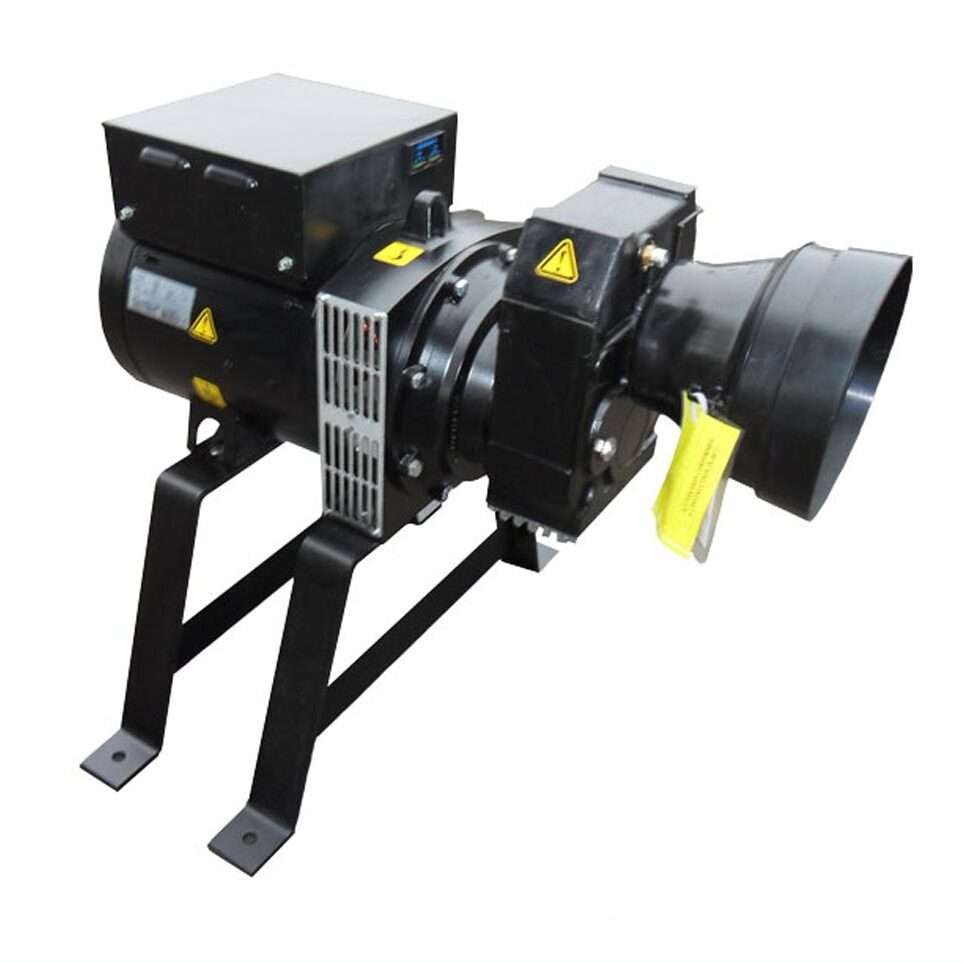
When the grid goes down, the financial impact on agricultural operations can be staggering, with power outages costing American farms an average of $8,200 per incident. A sobering 73% of farmers currently lack reliable backup power, leaving their livelihoods vulnerable. This is where a PTO (Power Take-Off) driven generator steps in as a robust, cost-effective solution, transforming your tractor into a mobile power station. But getting it right – from PTO generator installation and connection to ensuring safe operation – is crucial. This guide will walk you through every step, ensuring you harness this powerful backup with confidence and competence.
At a Glance: Powering Up with Confidence
- Tractor Power is Key: Your tractor needs 35+ horsepower for smaller units, 75+ for larger ones.
- Initial Setup is Quick: Expect 3-4 hours for the first-time installation, significantly faster than permanent systems.
- Safety First: Proper grounding, PTO shaft guards, and an emergency stop are non-negotiable.
- Match Components: Ensure your generator head matches your tractor's PTO RPM (540 or 1000).
- Monitor RPM: Overspeeding is a top mistake; use a tachometer to prevent severe damage.
- Size Smartly: Aim for a generator capacity 25% above your maximum expected load.
- Maintenance Matters: Regular checks and lubrication extend the life of your system.
- Sensitive Electronics: Yes, you can power them, especially with an Automatic Voltage Regulator (AVR).
Why a PTO Generator is Your Farm's Power Lifeline
Imagine losing power mid-milking, during critical irrigation cycles, or while grain drying. The consequences can range from lost productivity to significant financial losses. PTO generators offer a compelling answer, leveraging an asset you already own – your tractor – to provide essential electricity. This ingenious system is a workhorse, designed to be reliable, versatile, and considerably more fuel-efficient and cost-effective than comparable portable generators.
Deconstructing Your Powerhouse: Essential Components & Optional Upgrades
Understanding what makes up a complete PTO generator setup is the first step toward successful installation. It’s more than just plugging in; it’s about assembling a cohesive system.
Core Components You'll Need:
- PTO Generator Head: This is the heart of your system, typically ranging from 15kW to a powerful 100kW. Ensure it matches your tractor's PTO specifications (540 or 1000 RPM).
- Universal PTO Shaft with Safety Shield: The vital link between your tractor and the generator. The safety shield is non-negotiable for operator protection.
- Heavy-Duty Mounting Bracket System: This secures the generator head to your tractor's three-point hitch, providing stability during operation.
- Weather-Resistant Control Panel: Houses critical components like the voltage regulator and includes essential GFCI (Ground Fault Circuit Interrupter) protection for electrical safety.
- Professional-Grade Electrical Cables and Connectors: Don't skimp here. High-quality cables minimize power loss and reduce fire hazards.
Built-In Safety & Essential Protections:
Safety isn't an accessory; it's fundamental. Your setup must include:
- Emergency Stop Switch: A crucial button to immediately shut down the system in an emergency.
- PTO Shaft Guards: Essential for preventing entanglement.
- Safety Chains: To prevent the generator from detaching from the tractor.
- Rubber Isolation Mounts: Reduce vibration and extend equipment life.
- Circuit Breakers: Protect against overloads and short circuits.
Elevate Your Setup with Optional Enhancements:
While a basic setup gets the job done, these additions can significantly improve functionality and convenience:
- Automatic Voltage Regulator (AVR): Absolutely essential if you plan to power sensitive electronics, ensuring stable voltage output.
- Remote Start/Stop Control Panel: Offers convenience, allowing you to operate the generator from up to 100 feet away.
- Weatherproof Housing: Protects the generator head from the elements, extending its lifespan.
- Load Bank: Useful for testing your generator under various loads and performing maintenance runs.
For those on a budget, remember that flexibility is built-in. You can start with a smaller 15kW unit and easily upgrade or add features later as your needs or funds grow.
Before the Wrench Turns: Pre-Installation Readiness
Preparation is key to a smooth and safe PTO generator installation. Skipping this phase can lead to costly mistakes down the line.
Assess Your Tractor's Power Potential:
Your tractor is the engine of this operation, so ensure it's up to the task.
- Horsepower (HP): A good rule of thumb is 35+ HP for 15-25kW generators and 75+ HP for units 50kW and above.
- PTO Specifications: Verify your tractor's PTO shaft RPM (540 or 1000 RPM) and ensure your generator head matches. An RPM mismatch is a common and dangerous error.
- Clearance: You'll need at least 3 feet of unobstructed space behind the tractor for safe mounting and operation of the generator.
Sizing Your Generator for Reliable Power:
Don't just guess your power needs. Accurately sizing your generator prevents overload and ensures longevity.
- Calculate Your Load: List all appliances and equipment you intend to power, noting their starting (surge) and running (continuous) wattage.
- Add a Buffer: It's recommended to size your generator 25% above your maximum expected load. This ensures reliable operation, prevents constant strain, and extends the life of your equipment.
The entire initial setup, including these crucial assessment steps, typically takes just 3-4 hours – approximately 40% less time than installing a permanent standby generator. This efficiency translates directly into faster preparedness when an outage strikes.
The Blueprint for Power: Step-by-Step Installation
Once your preparations are complete, it's time to assemble your mobile power station. Follow these steps meticulously, keeping safety at the forefront.
1. Mounting the Generator Head
This is where your generator becomes one with your tractor.
- Secure Attachment: Position the generator head directly onto your tractor’s three-point hitch.
- Torque It Right: Refer to the manufacturer’s specifications for bolt torque (e.g., 85-90 ft-lbs). Over-tightening can strip threads, under-tightening can lead to instability.
- Level and Stable: Double-check that the generator is perfectly level and rigidly stable. Any wobble can cause excessive vibration and premature wear.
2. Connecting the PTO Shaft
The PTO shaft is the mechanical link transferring power from your tractor to the generator.
- Universal Fit: Connect the universal PTO shaft between the tractor’s PTO stub and the generator input shaft.
- Safety First: Ensure all safety shields are correctly installed and free from damage. These guards are your primary defense against entanglement.
- Proper Length: The shaft should be neither too long (binding) nor too short (disengagement). Consult your generator's manual for proper sizing and trimming instructions.
- Lubrication: Grease the spline connections to ensure smooth power transfer and prevent wear.
3. Wiring It Right: Electrical Connections & Grounding
This phase is critical for both functionality and safety. Don't rush it.
- Control Panel Installation: Mount the control panel in an easily accessible, weather-protected location near the generator.
- Follow the Diagram: Connect all electrical cables precisely according to the wiring diagram provided by the manufacturer.
- Crucial Grounding: Ensure proper grounding. This often involves driving a ground rod near the generator and making clean, secure connections. Inadequate grounding causes a staggering 34% of all electrical issues, making it a critical step. A robust grounding system protects both your equipment and anyone working near it. You can learn more about proper electrical grounding practices for power generation systems in our comprehensive guide All about PTO driven generators.
- Test Safety Features: Before any power goes through, test all safety features, including the emergency stop switch and circuit breakers, to ensure they function correctly.
4. First Spark: Initial Testing & Calibration
With everything connected, it’s time to bring your system to life.
- Start at Idle: Start your tractor and allow it to warm up at idle speed.
- Gradual Engagement: Gradually engage the PTO at a low RPM. Do not engage it at high RPM, as this can shock the system.
- Increase RPM: Slowly increase the tractor's RPM to the recommended operating speed for the generator, typically 1800-2000 RPM.
- Monitor Output: Closely monitor the voltage output on your control panel. It should stabilize at 120V/240V (single-phase) or 480V (three-phase) at 60Hz.
- Load Testing: Begin by connecting a small load and gradually increase it, ensuring the generator maintains stable voltage and frequency under varying demands. This initial test helps identify any issues before a real emergency.
Beyond the Basics: Understanding Power Output & Efficiency
Knowing what your PTO generator can deliver helps you optimize its use and plan for emergencies.
Electrical Output Specifications:
These generators are engineered for serious work.
- Voltage & Frequency: Typical output ratings are 120V/240V single-phase or 480V three-phase at 60Hz, with tight frequency regulation (±2%).
- Power Factor: Expect a power factor of 0.8 to 1.0, indicating efficient use of generated power.
- Total Harmonic Distortion (THD): Modern PTO generators boast a THD typically less than 5%. This low distortion means they are perfectly suitable for powering sensitive electronics without risk of damage.
Fuel Efficiency Advantage:
One of the standout benefits of PTO generators is their efficiency.
- Impressive Fuel Economy: Fuel efficiency generally ranges from 0.35-0.45 gallons per hour per 10kW output.
- Cost Savings: This makes them approximately 25% more fuel-efficient than comparable portable generators, translating into significant operational savings over time. You're using your tractor's robust, efficient diesel engine, which is often more economical than a dedicated generator engine.
Smart Spending: Cost-Effective Strategies for Your PTO Generator
Investing in a PTO generator doesn't have to break the bank. Several strategies can help you get the power you need without overspending.
- Start Smaller, Upgrade Later: Consider beginning with a smaller 25kW unit. This can save you a substantial $3,000-$5,000 compared to a 50kW unit, allowing you to get essential backup power in place immediately and expand when resources allow.
- Quality Used Equipment: The used market can be a treasure trove. You can often find quality used PTO generators that deliver 80% of the performance at 50% of the cost. Look for units with low operating hours and clear maintenance records.
- Cooperative Purchasing: Partnering with neighboring farms or agricultural cooperatives can unlock bulk discounts and shared resources, making larger, more powerful units more accessible.
- Gradual Upgrades: Don't feel pressured to buy all the bells and whistles at once. Start with a basic setup that includes essential voltage regulation, and add features like an AVR or remote start panel later as your budget permits.
Unleashing Versatility: More Than Just Backup Power
While emergency power is the primary driver, a PTO generator's utility extends far beyond just outages. Its mobility and robust output make it incredibly versatile.
- Emergency Power: Critical for maintaining operations during unexpected grid failures.
- Remote Operations: Powering irrigation pumps, temporary workshops, or lighting in fields far from grid connections.
- Seasonal Tasks: Providing crucial power for energy-intensive operations like grain drying, processing, or powering conveyors during harvest.
- Construction Projects: A mobile power source for tools and equipment on job sites, offering flexibility and independence from grid access.
It’s about optimizing an existing asset – your tractor – to serve multiple power needs across your farm.
Critical Pitfalls: Mistakes That Can Derail Your System
Even with careful PTO generator installation, certain operational errors can lead to serious damage or safety hazards. Be aware of these common mistakes:
- Overspeeding the PTO: This is arguably the most dangerous and damaging mistake. Exceeding the generator's rated RPM (e.g., 540 or 1000 RPM) can literally destroy the generator head in moments. Always use a tachometer to monitor your tractor's PTO RPM and adhere strictly to the generator's specifications.
- Inadequate Grounding: As mentioned earlier, poor grounding accounts for 34% of electrical issues. Without proper ground rods and clean, secure connections, you risk electrical shock, equipment damage, and system instability.
- Ignoring Load Balance: Especially crucial for three-phase units, an unbalanced load can lead to excessive heat buildup in the generator windings, causing premature failure. Utilize load monitoring equipment and distribute your loads evenly across the phases.
- Skipping Pre-Operation Checks: A staggering 67% of problems can be traced back to neglected pre-operation checks. Before every use, inspect the PTO shaft, all electrical connections, fluid levels in the tractor, and verify the functionality of all safety systems. A few minutes of vigilance can save you hours of downtime and repair costs.
Guardians of Power: Storage and Maintenance for Longevity
A PTO generator is a significant investment. Proper storage and routine maintenance will ensure it's ready when you need it most and serves you reliably for years.
Seasonal Storage Best Practices:
When the generator isn't in active use for an extended period:
- Thorough Cleaning: Clean all surfaces to remove dirt, debris, and corrosion-causing residue.
- Protective Coatings: Apply a light coat of protective oil or rust inhibitor to unpainted metal surfaces.
- Dry Location: Store the generator in a dry, well-ventilated location, ideally indoors, to protect it from harsh weather.
- Disconnect & Store Shafts: Disconnect the PTO shaft and store it separately in a clean, dry place. This also prevents accidental engagement.
Regular Maintenance Schedule:
Consistency is key for reliability.
- Engine Oil: Follow your tractor's engine oil change schedule, typically every 100 operating hours. The generator head itself requires minimal care, but the tractor's engine is paramount.
- Electrical Connections: Inspect all electrical connections monthly for tightness and corrosion. Clean any signs of rust or oxidation.
- Safety System Checks: Seasonally test your emergency stop switch, circuit breakers, and GFCI protection to ensure they are fully functional.
- PTO Shaft Lubrication: Regularly grease the universal joints and splines of the PTO shaft to prevent wear and ensure smooth operation.
Winter Preparedness:
For colder climates, a few extra steps can make a big difference:
- Cold-Weather Lubricants: Switch to engine oils and hydraulic fluids formulated for cold temperatures.
- Engine Block Heater: Consider installing an engine block heater on your tractor for easier starts in freezing conditions.
- Fuel Treatment: Use a diesel fuel additive to prevent gelling in cold weather.
Maintain Detailed Service Records: Keep a log of all inspections, maintenance performed, and operating hours. This helps track performance, anticipate future needs, and can be invaluable for resale.
Straight Answers: Your PTO Generator FAQs
Let's tackle some common questions to put any lingering doubts to rest.
- What size tractor do I need?
For smaller 15-25kW generators, a tractor with 35+ horsepower is usually sufficient. For larger units (50kW+), you'll need a tractor with 75+ horsepower to handle the load effectively. - Can PTO generators power sensitive electronics?
Absolutely, yes. Modern PTO generators, especially those equipped with an Automatic Voltage Regulator (AVR), produce power with Total Harmonic Distortion (THD) typically below 5%, making them perfectly safe for sensitive electronics like computers, medical equipment, and modern appliances. - How long can a PTO generator run continuously?
Continuous operation is primarily limited by your tractor's fuel capacity and its service intervals. Most tractors can run 8-12 hours on a full tank, depending on load. The generator head itself is designed for continuous duty as long as it's properly maintained and not overloaded. - Are PTO generators truly more cost-effective than portable generators?
Yes, significantly. PTO generators are often 30-40% less expensive than equivalent wattage portable generators because you're leveraging your existing tractor engine. They also boast better fuel efficiency and generally lower maintenance costs for the generator head itself, as the primary engine maintenance falls under your tractor's regular schedule. - What does maintenance involve for the generator head?
Compared to a dedicated engine, the generator head itself requires minimal maintenance. The main tasks involve regular lubrication of the PTO shaft, inspection of electrical connections, and ensuring the unit is clean and stored properly. The bulk of the "maintenance" relates to keeping your tractor's engine in top shape, following its specific service schedule.
Empowering Your Operations: The Road Ahead
You now have the knowledge to confidently approach PTO generator installation, connection, and safe operation. From assessing your tractor's capabilities to understanding the nuances of electrical grounding, you're equipped to make informed decisions. A PTO generator isn't just a piece of equipment; it's an investment in the resilience and continuity of your operations, offering peace of mind when the power goes out and versatility when the work needs to get done. By following these guidelines, you're not just installing a generator – you're mastering an essential tool for modern farming.